
Full demolition
Garage tear-downs, deck removals, structural demo. The default for any teardown job.

Our most popular roll-off. The container we drop for demolitions, commercial cleanouts, and bulk waste hauls.
Built for demolition projects, commercial job sites, large-scale cleanouts, and bulk waste that require maximum capacity.
Get a 30 Yard Quote →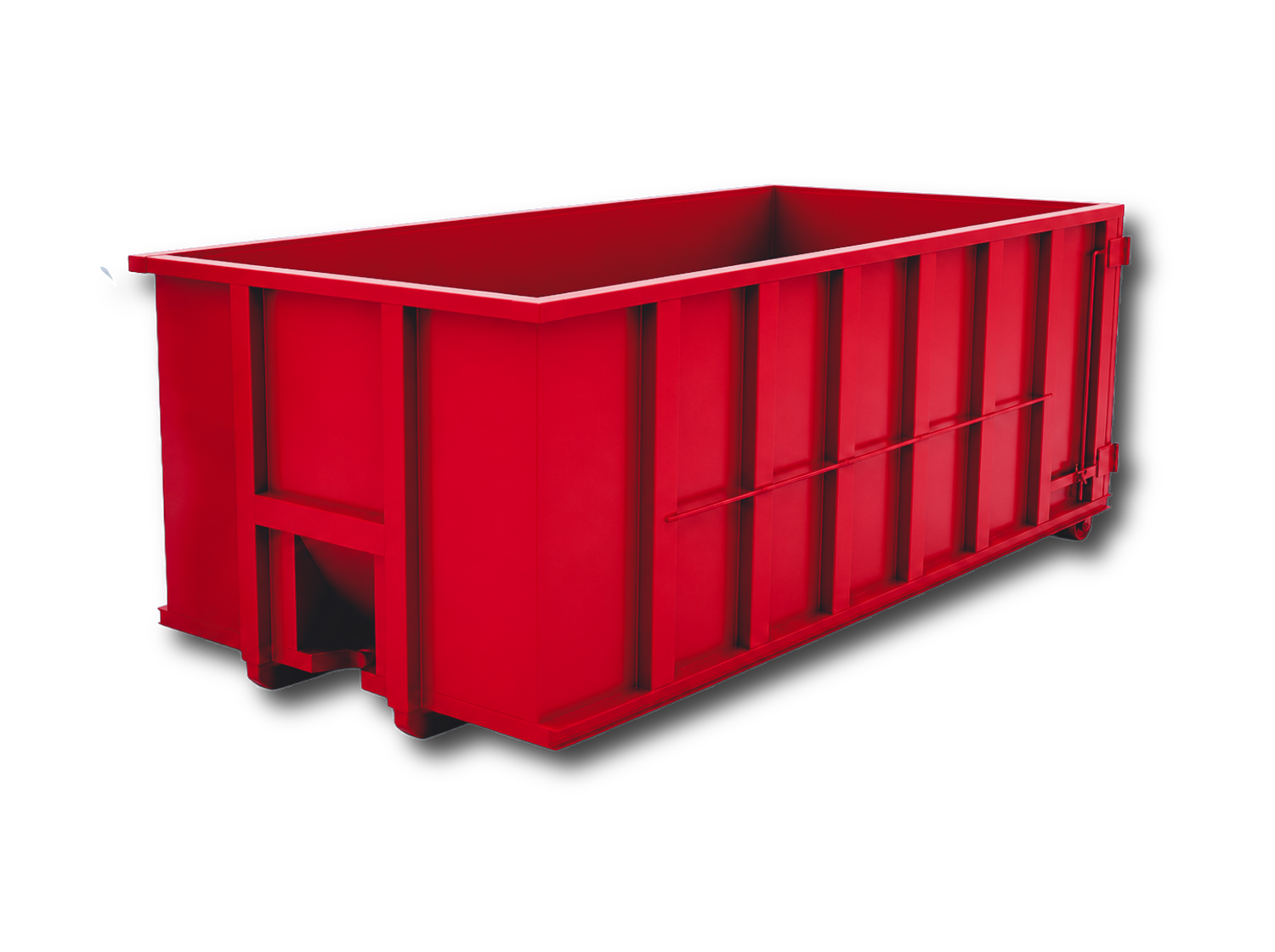
Garage tear-downs, deck removals, structural demo. The default for any teardown job.
Restaurant build-outs, retail turn-overs, office remodels.
Large-volume light material — drywall, cardboard, foam, packaging.
Apartment-building turn-overs, evictions, condo association cleanups.
The 30-yard is our most popular roll-off — the demolition and commercial workhorse. Dimensions: 22 feet long, 8 feet wide, and 6 feet tall, open-top with a swing-door for walk-in loading. Thirty cubic yards holds roughly 14 full-size pickup truck loads of debris, making this the right choice when a 25-yard would mean a second haul.
The 30-yard is what we deliver for teardowns, full commercial cleanouts, and multi-family property turnovers. The taller 6-foot side walls add real capacity over a 25, and the extra two feet of length opens up the walk-in loading angle. If your job is borderline between a 25 and a 30, the 30 is usually the right insurance pick — the price difference is small enough that avoiding a second haul wins.
For more than 25 years of demolition and commercial work across Prince George's, Montgomery, and the District, these are the projects that almost always land on the 30-yard:
For most light-material commercial and demolition projects, weight isn't the constraint — drywall, framing, packaging, and furniture rarely push the limit. Pricing is quoted per project, and heavy materials are quoted separately. For heavy-debris projects (concrete, roofing tear-offs over 50 squares, brick, dirt), we quote a separate heavy-debris line because volume isn't the constraint, weight is. Note that heavy aggregates like dirt, concrete, and asphalt only come in our 10-, 15-, and 20-yard containers.
Tell us your typical monthly volume and we'll build a standing price sheet — saves time, locks in pricing, and keeps your project schedule predictable.
The 30-yard is one of the largest roll-offs we deliver, and it needs commercial or generous-driveway placement. At 22 feet long and 6 feet tall, this isn't a residential-driveway container in most cases:
If you're not sure a 30 will fit, describe the placement spot when you call and we'll review it before quoting. Sometimes the right answer is two 20-yards instead of one 30 — we'd rather tell you that at the quote than at the curb.
The 30-yard accepts the full range of construction, demolition, and commercial waste. Heavy debris is priced separately, and hazardous materials are never allowed in any roll-off.
Framing, drywall, flooring, cabinets, doors, windows, siding, decking. The full structural teardown list.
Desks, partitions, drop ceilings, commercial carpet, lighting, retail shelving, restaurant fixtures.
Drywall scrap, cardboard, packaging, foam, pallet waste, warehouse turnover material.
Concrete, dirt, brick, asphalt, roofing tear-offs over 50 squares. Quoted as a separate line.
No wet paint, oils, fuels, batteries, tires, asbestos, propane tanks, freon-containing appliances, or medical waste.
Tell us your project schedule and typical volume and we'll plan the drops.
The whole 30-yard rental fits in four steps.

Form above or call (301) 252-3586.

Next-day delivery (same-day may be available depending on location and schedule).

Every rental includes 14 days — need more time? Ask about additional days when you book. Active commercial jobs get scheduled swap-outs so you never wait on an empty container.
Pickup is on request — call to schedule a pickup or swap.
Priced to your material — call or request a free quote. Includes delivery, pickup, and a 14-day rental.
Pick a language and we'll take it from there.
Aggregates go in a 10, 15, or 20-yard container. Pick the scope that fits your job:
Aggregate dumpsters are for concrete, dirt, asphalt, brick, and masonry materials only. Mixed trash, household junk, wood, drywall, and other construction debris are not permitted. For safety and transportation requirements, material must remain at least 1 foot below the top edge of the container. Overfilled containers cannot be legally transported and will not be picked up until the material level is reduced.
What are you working on?
We recommend the 20-yard.
Please enter an address.
Please add your name, phone, and a valid email.
We've got your request. Someone from JP Roll-Off will reach out within the next hour during business hours.